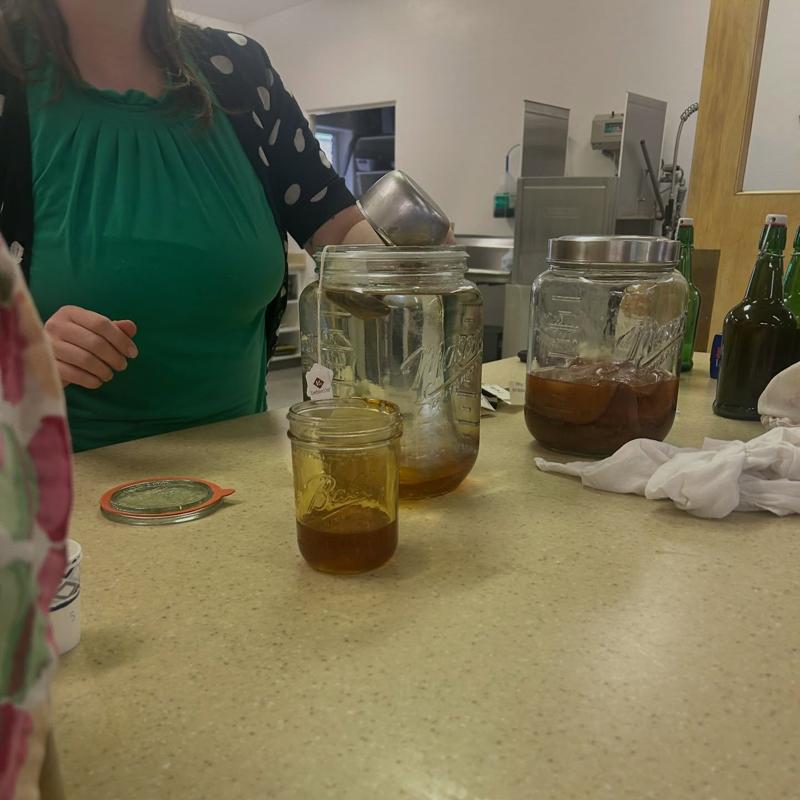
Kombucha Class
The tried-and-true kombucha recipe I shared at my first homesteader class, plus how to brew a gallon at home and keep your SCOBY happy between batches.
A Homestead Vision Built on Love, Learning, and Little Helping Hands.
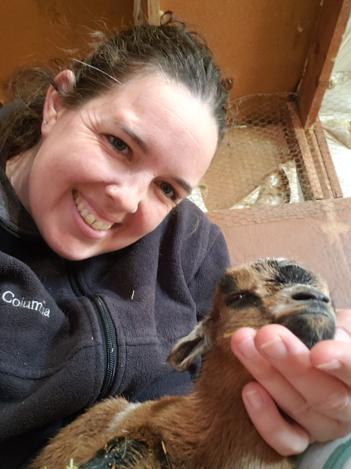
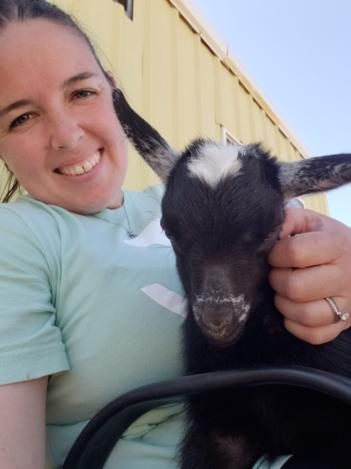
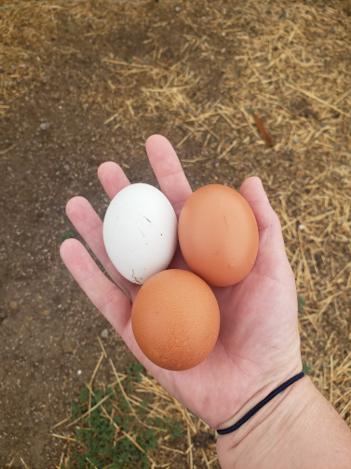
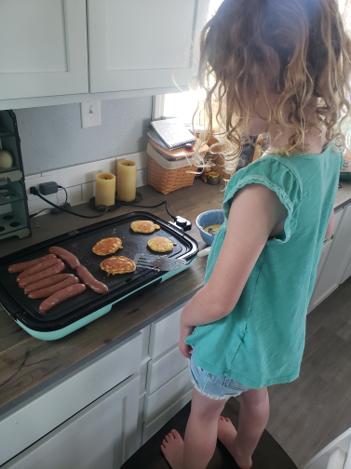
Hi there, I’m Sarah. Welcome to Huber Family Homestead, where we’re all about growing our own food, preserving the harvest, and living a more self-sufficient life out here on the Montana prairie. My husband and I are raising three kids, a flock of laying hens, a small herd of goats, and a garden that feeds us most of the year. Everything I write here comes out of our own dirt, our own mistakes, and our own very cold winters.
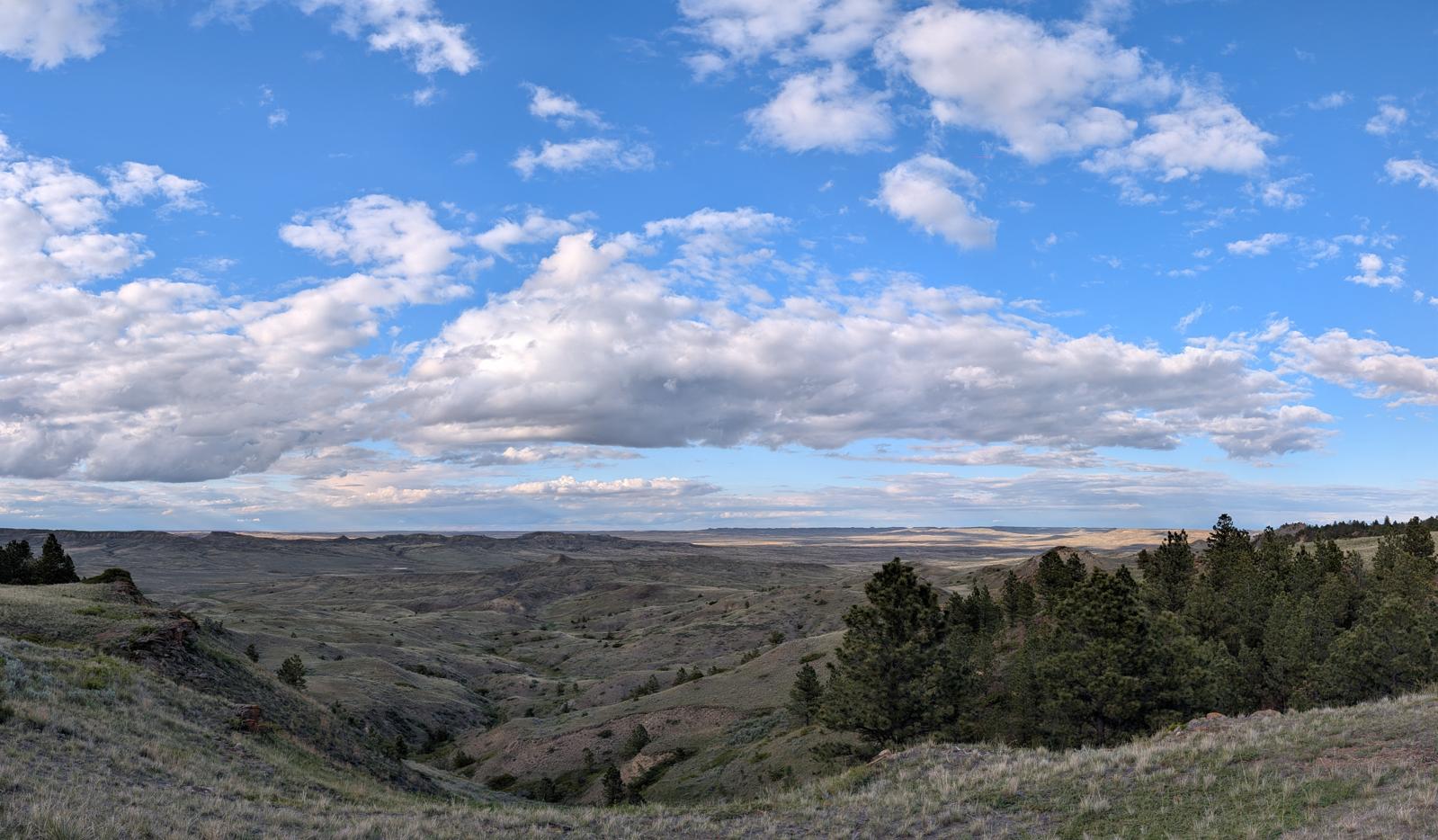
We didn’t start out here. When we kept chickens in Oregon, we never once needed to heat the coop. Montana is a whole other ball game. Last January we saw a day that hit forty below, and another with winds at thirty-eight miles an hour. That climate is the single biggest thing shaping how we do everything, from how we ventilate a coop that used to be an outhouse to how deep we let the bedding get before spring. When I write about getting a flock ready for winter, I’m writing about the flock standing outside my window in the snow.
Before the homestead took over my days, I was a classroom teacher. That part of me never really switched off. This spring I taught my very first homesteader class through our local extension office, and I co-hosted Homestead Series #10 on kombucha, sponsored by the MSU Toole County Extension. About eleven people came out, which is a good turnout for a small farming town in the middle of calving season. We covered pellicles, SCOBYs and Jun, worked through the process nearly start to finish, and passed a kombucha pellicle around so everyone could feel how squishy it really is. I hope to teach more of them.
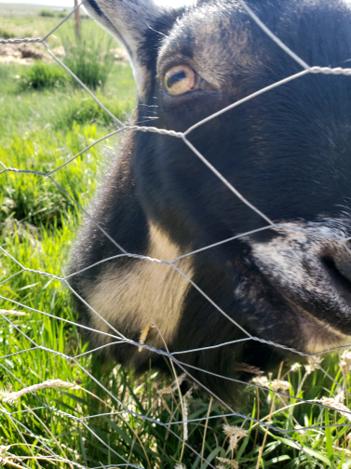
Our chickens are pets first and egg producers second, which is why they come into winter with us instead of going into the freezer. They live in a converted outhouse we patch and line with tar paper every fall. One of our hens, Paprika, got stuck behind a feeder bucket on a bitterly cold night a couple of years ago and lost the bottom half of her legs to frostbite. She’s still with us, happy as a clam, hobbling around on her little stumps with a few special accommodations. We also have goats, a dog who is delighted by any cracked egg that comes her way, and a compost pile that turns the whole operation back into garden soil each spring.
One of our biggest passions is clean eating and making our meals from scratch. By growing and preserving our own food, we know exactly what goes into every bite. Three years ago we cut artificial dyes out of the house entirely, starting with a full pantry purge and a lot of label reading. Our daughter was about two and a half at the time, and she took to it more easily than we expected. These days she’ll politely say “no thank you” on her own if nobody can tell her where a color came from. We ferment kombucha year round, and we sell and ship SCOBY pellicles to anyone who wants to start their own batch.
We homeschool, which means everyday life doubles as the lesson, whether that’s tending the garden, caring for animals, or figuring out why the water froze again. Our oldest just finished her first year in 4-H Cloverbuds and gave her very first presentation, sixty seconds on how to plant a sunflower seed. Our middle is two and firmly in the helping-with-everything stage. Our youngest arrived in January, quite a bit faster than planned, in the car on the way to the birth center. Grandparents nearby make the whole thing possible more often than I can count.
I’m still figuring things out as I go, and that’s honestly part of the adventure. Every season brings new challenges, and I love sharing what I learn along the way. Thanks for stopping by!
The tried-and-true kombucha recipe I shared at my first homesteader class, plus how to brew a gallon at home and keep your SCOBY happy between batches.

Where the blog went this winter: our third baby arrived fast in the car on the way to the birth center, and life with three little ones has been a joyful blur.
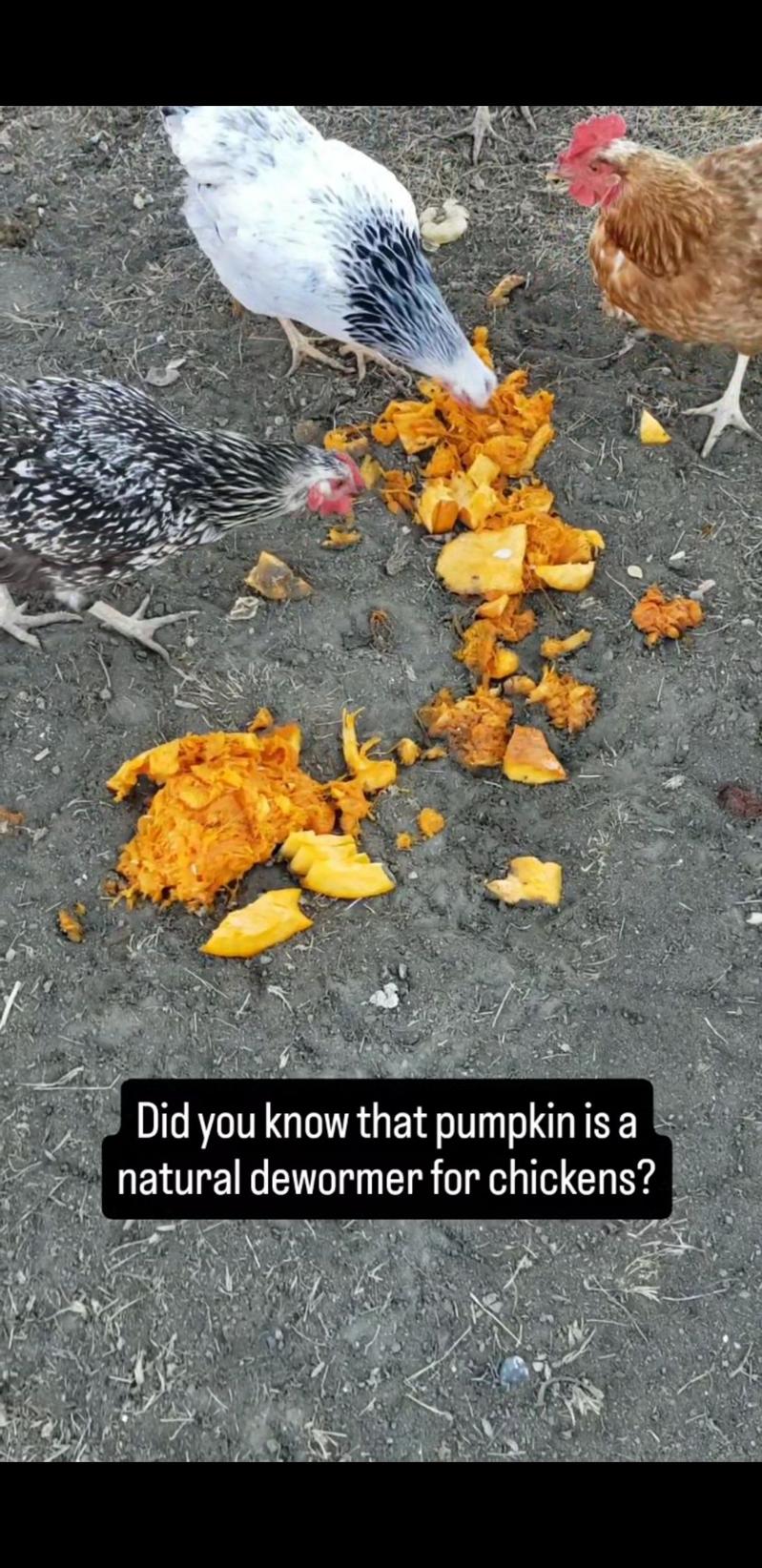
Pumpkin is more than a fall decoration: fed to goats and chickens it supports nutrition and digestion, and it puts your leftover jack-o-lanterns to good use.